Technical Application of SKL Stainless Steel Bearings in the Textile Industry —
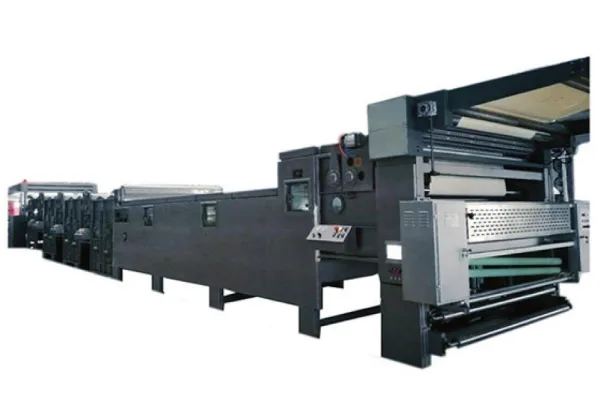
Printing and washing workshops operate under constant high-humidity spray conditions. Dyes and soaping solutions feature weak acid and alkali corrosion, while cotton lint impurities continuously infiltrate equipment. Conventional GCr15 bearings are prone to rust and seizure, leading to frequent shutdowns for component replacement. This further causes printing misalignment, fabric wrinkles and defective products. Developed specifically for wet processing conditions in the printing and dyeing industry, German-origin SKL stainless steel bearings effectively resolve key transmission challenges across the sector.
✨ Core Advantages of SKL Stainless Steel Bearings ▫️ Corrosion-resistant base material: Manufactured from SUS440C stainless steel. Its passivation film resists erosion from printing and dyeing chemicals and moisture, effectively preventing pitting corrosion and rusting.
▫️ Multi-layer sealing: Fluororubber double-lip sealing structure blocks moisture, dyes and fibrous dust from penetrating the bearing interior, achieving a sealing efficiency of 99.9%.
▫️ High precision and stable performance: Produced to P4 precision grade with optimized raceway profiles. Low vibration and low noise enable 24-hour continuous full-load operation of equipment.
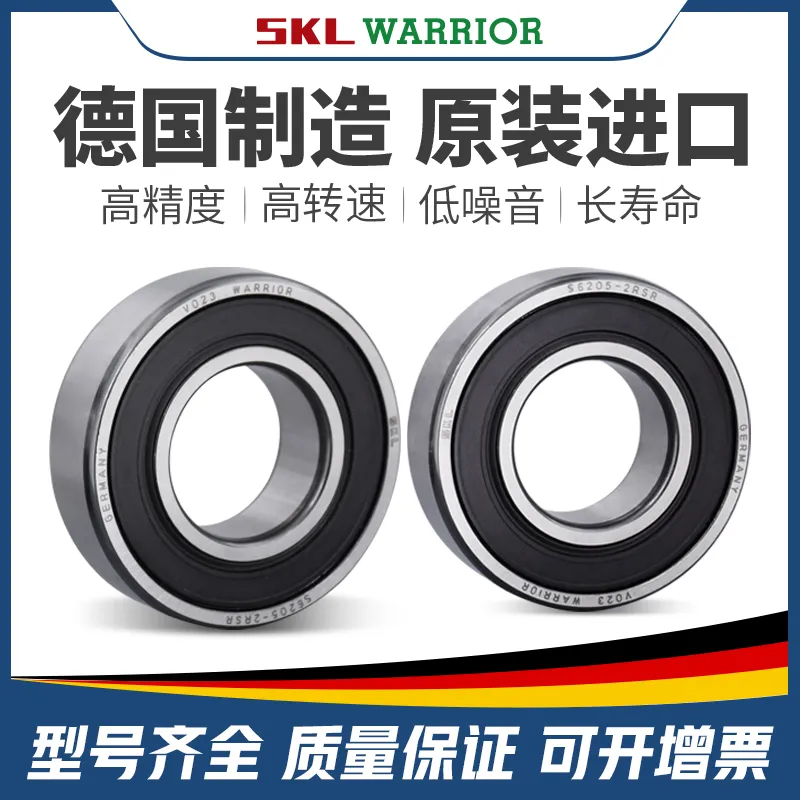
▫️ Long-lasting wear resistance: Suitable for low-speed continuous loads. Filled with water-resistant synthetic grease that resists emulsification and loss, greatly extending maintenance-free service intervals.
⚙️ Practical On-site Application Case Supported Equipment: Open-width printing washing machine Mounting Position: Support points at both ends of multi-stage fabric guide rollers Selected Model: SKL 6206-2RSR stainless steel deep groove ball bearing
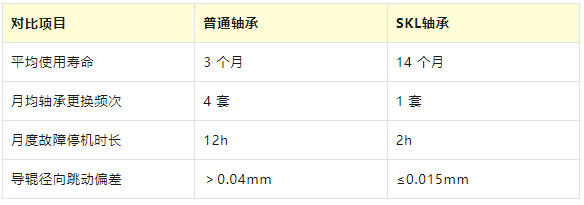
The original equipment was equipped with standard carbon steel bearings that frequently failed due to corrosion. After switching to SKL stainless steel bearings, measured data shows obvious improvements: The fabric guide rollers run smoothly, eliminating fabric defects caused by bearing jamming. The workshop defect rate drops markedly, and production continuity is greatly improved.