Mandatory Use of Stainless Steel Bearings – Full Guide for Food & Medical Sector
Many colleagues involved in equipment selection, maintenance and procurement often wonder: Ordinary bearings cost less, so why must stainless steel bearings be adopted for numerous machines?
There are three core reasons: rust prevention, prevention of product contamination, and resistance to humid and corrosive environments.
This first article elaborates on the two largest application sectors: food & beverage, and pharmaceuticals & medical care. It covers applicable machinery, installation positions and material selection. Packed with practical know-how – feel free to bookmark it!
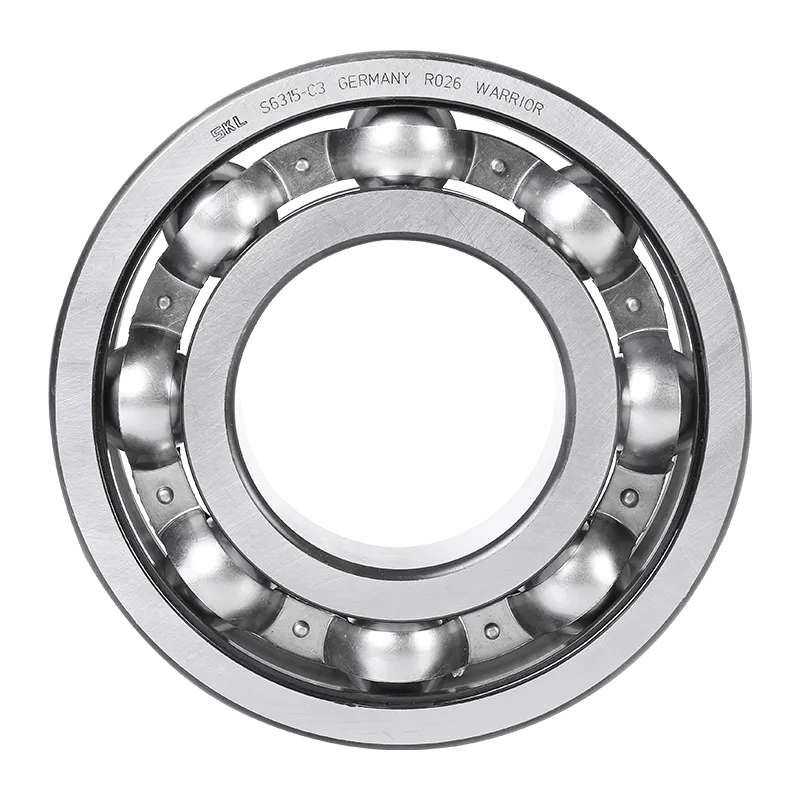
�� I. General Selection Criteria for Stainless Steel Bearings Stainless steel bearings are preferred if equipment operates under any of the following working conditions: ✅ Daily water washing, spraying and high-temperature steam sterilization are required for equipment ✅ Contact with food materials, liquid medicines or pure water; rust and metal debris contamination are prohibited ✅ Aseptic, dust-free and high-cleanliness production environments ✅ Long-term exposure to humidity, condensation, salt water, weak acids and weak alkalis
Quick overview of three widely used materials: 304 (General rust resistance)|316L (Superior salt and corrosion resistance)|440C (High speed & wear resistance)
�� II. Food & Beverage Industry (Major Demander of Stainless Steel Bearings) The food industry represents the largest application field for stainless steel bearings. Ordinary bearings are forbidden on all rotatable components exposed to food and subject to water washing.
Applicable equipment: Juice filling machines, dairy sterilization lines, dough mixers, bowl cutters, fruit & vegetable slicers, bakery conveyor lines, vacuum packaging machines, crate washers, sauce mixing kettles, seafood processing equipment, etc.
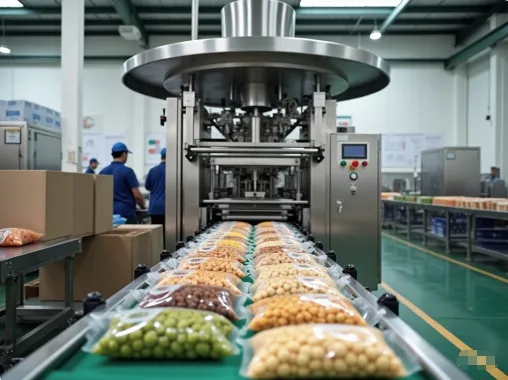
Positions requiring stainless steel bearings ▫️ Bearings at both ends of mesh belts and conveyor rollers on production lines (constant contact with dairy liquid and weak acidic fruit & vegetable juice) ▫️ Support bearings for mixing kettles and agitator shafts (immersed in food materials and exposed to high-temperature steam cooking) ▫️ Rotating bearings for filling turntables and capping heads (frequent spraying with disinfectants) ▫️ Spindle bearings of slicers and rolling cutters (easily corroded by blood and plant juices) ▫️ Bearings for drying fans and washing drums (dual erosion by water vapor and alkaline detergents) ▫️ Miniature bearings for film feeding on packaging machines (dust-free cleanliness, prevent iron scrap contamination of food)
Material selection recommendations Normal-temperature fruit, vegetable and flour processing → 304 stainless steel bearings Seafood pickling, high-temperature sterilization and high-humidity production lines → 316L stainless steel bearings
⚕️ III. Pharmaceuticals, Medical Care & Laboratory Industry (High Standard for Asepsis & Non-magnetism) Core requirements for medical and biological industries: asepsis, resistance to high-temperature sterilization, freedom from impurities; non-magnetic materials are required for certain equipment. Ordinary bearings cannot meet these standards.
Applicable equipment: Pharmaceutical reaction kettles, powder splitters, bottle washing & sterilizing machines, freeze-drying equipment, dental handpieces, MRI scanners, biochemical analyzers, laboratory agitators, dialysis equipment, etc.
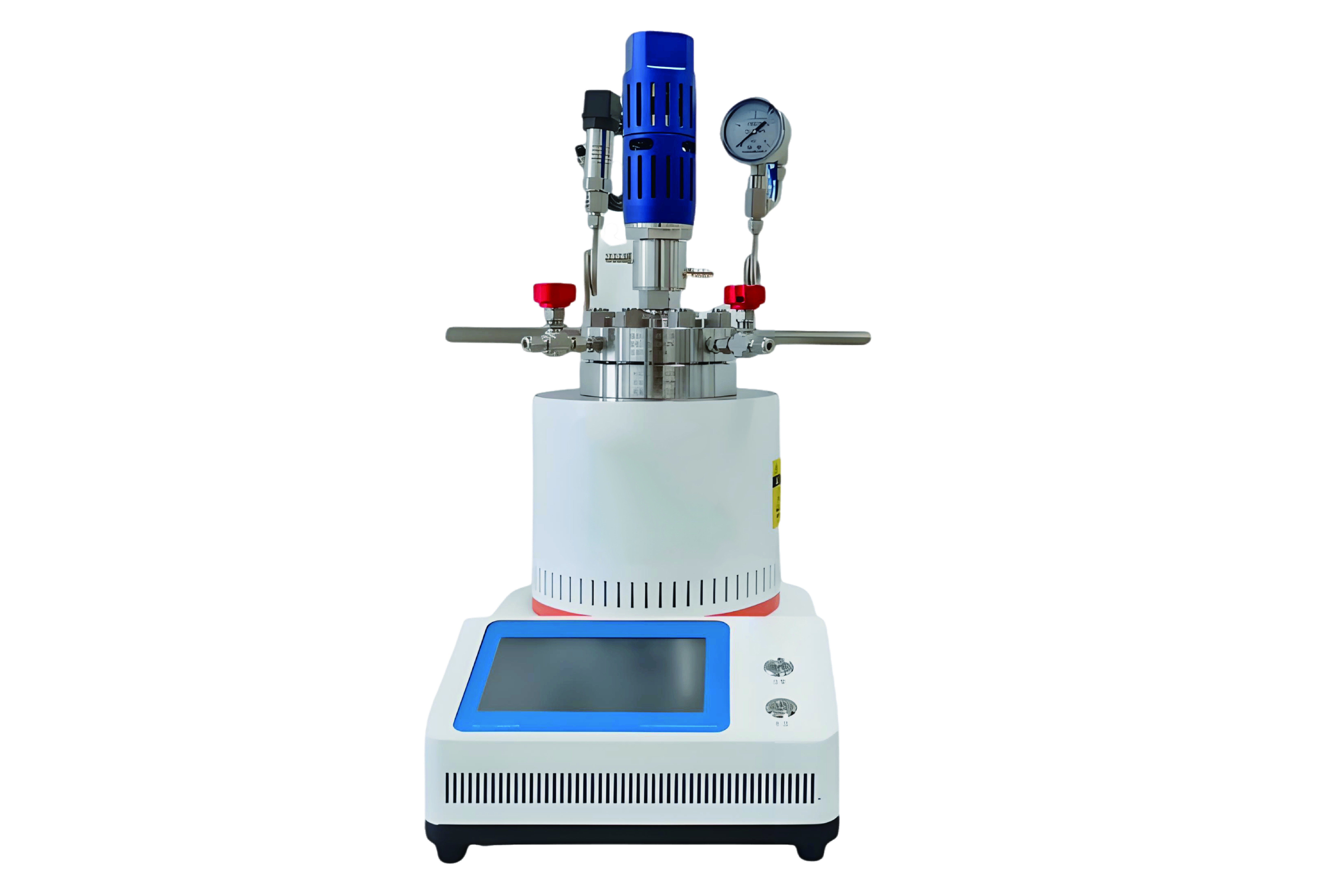
Positions requiring stainless steel bearings ▫️ Support bearings for liquid medicine agitator shafts and material tank turnover (repeated disinfection with weak acid liquid and alcohol) ▫️ Bearings for spray drums and conveyor rollers of bottle washers (long-term immersion in acid & alkaline cleaning solutions) ▫️ Miniature bearings for high-speed dental handpieces (exposed to moisture and disinfectants; high-speed, rust-proof and wear-resistant) ▫️ Bearings for MRI scanning beds and rotating platforms (non-magnetic, avoid magnetic field interference) ▫️ Bearings for movable joints of surgical instruments and endoscopes (resist high-temperature sterilization and contact with biological fluids) ▫️ Rotor bearings of laboratory centrifuges (resist corrosion by various chemical reagents)
Material selection recommendations Standard clean pharmaceutical workshops → 304 High-temperature sterilization equipment and non-magnetic MRI devices → 316L High-precision high-speed dental instruments → 440C
✅ Industry Preferred: SKL German Schoeller Stainless Steel Bearings For high-cleanliness and high-hygiene scenarios in food and medical industries, SKL German Schoeller stainless steel bearings serve as the optimal industry solution.
Developed based on over 60 years of German precision manufacturing, all products comply strictly with DIN and ISO international standards. The full range covers 304 / 316L / 440C materials with precisely polished surfaces, burr-free, chip-resistant, easy to clean and capable of repeated high-temperature sterilization.
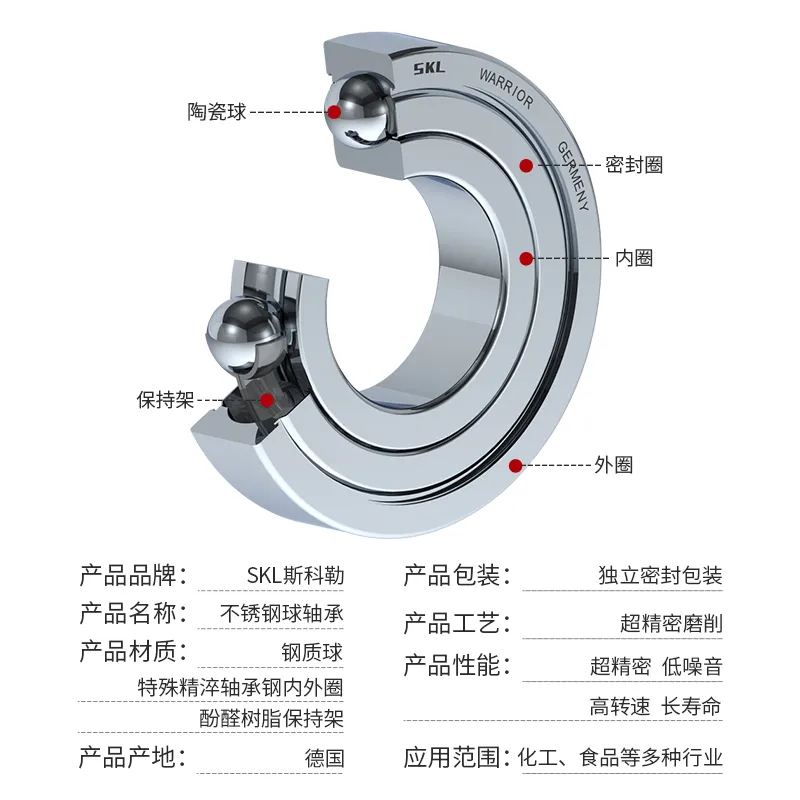
Compared with conventional stainless steel bearings, SKL features optimized raceway structure and special heat treatment technology, greatly improving corrosion resistance and fatigue resistance. The bearings adapt to water-spray washing conditions in food industry and aseptic medical working environments, effectively eliminating rust contamination and unexpected shutdowns caused by jamming, and satisfying demands for long-term stable operation of cleanliness-grade equipment.